
Three Voices, One Sarcoma Community
July is Sarcoma Awareness Month. We asked three leaders in the sarcoma community the same three questions, separately. They all have different areas of focus, but together they share the desire to build awareness, connect people, and advance research for sarcoma.
Meet The Leaders
Ann Graham — Executive Director and Founder, MIB Agents
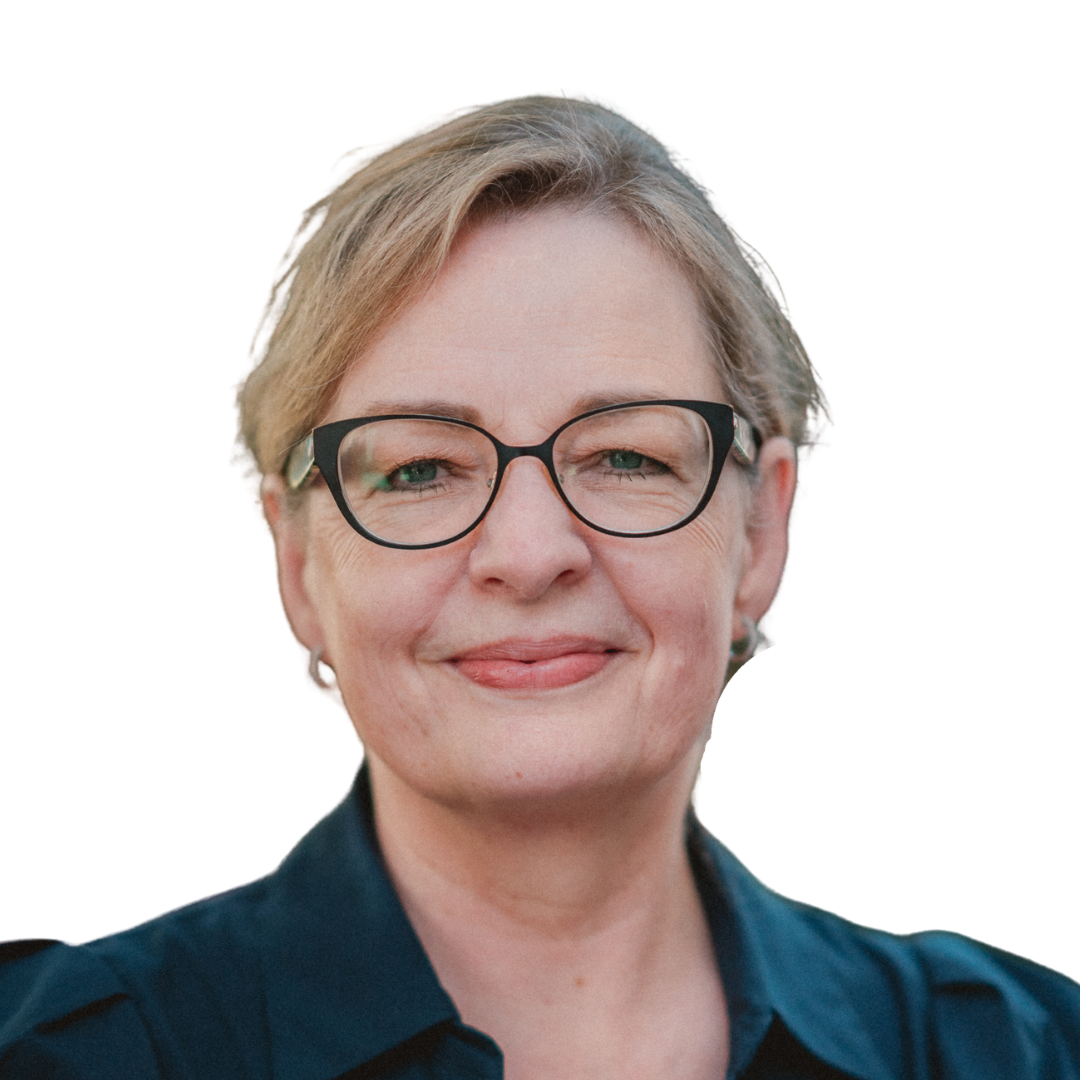
A national pediatric osteosarcoma nonprofit built on three pillars: research, education, and direct patient support. Ann founded MIB Agents after she was diagnosed herself. MIB stands for "Make It Better" by funding critical research and connecting families facing osteosarcoma.
Chelsea Winn, MPH — Director of Programs, Northwest Sarcoma Foundation
Thirty years of working with sarcoma patients and families throughout the Pacific Northwest makes NWSF the oldest sarcoma nonprofit in the world. They support patients of all ages with all subtypes of sarcoma and fund research to improve cure rates. Together, no one faces sarcoma alone.
Christine DeFalco — Executive Director, The Paula Takacs Foundation for Sarcoma Research
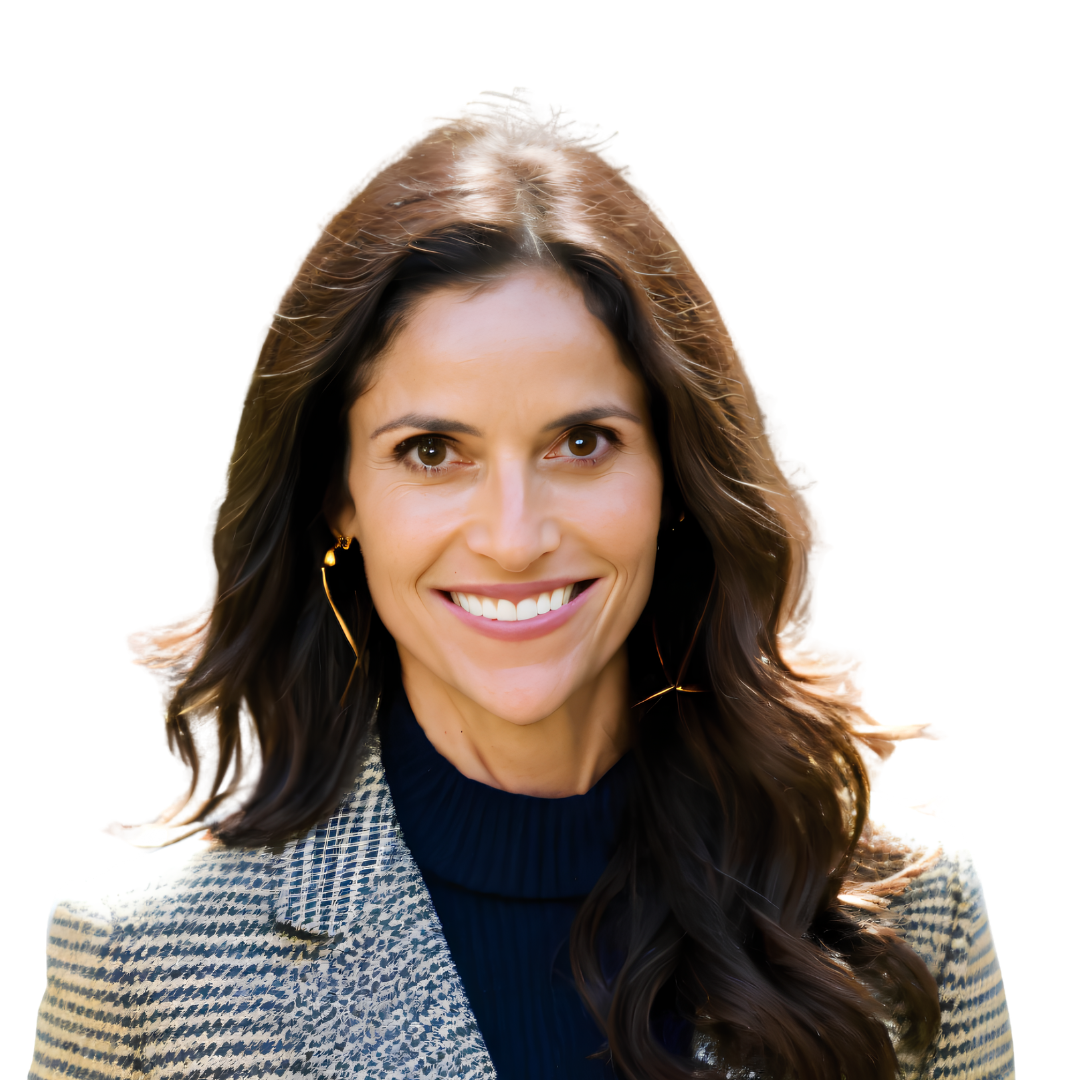
A Charlotte-based nonprofit celebrating 16 years of advancing sarcoma research, supporting patients and families from day one of diagnosis through survivorship, and raising awareness. The Foundation funds innovative research across North Carolina and beyond to improve outcomes for patients worldwide.
I. The Heart of the Work
We started with a simple question: What's the core mission of your organization?
Christine DeFalco, Paula Takacs Foundation:
Our mission is to bring hope to those facing sarcoma by funding promising research, increasing awareness, and supporting patients and families from the moment of diagnosis through survivorship. We want every person affected by sarcoma to know they are not facing this disease alone.
Chelsea Winn, Northwest Sarcoma Foundation:
The Northwest Sarcoma Foundation is dedicated to walking alongside everyone affected by sarcoma. As a nonprofit rooted in compassion and community, we provide trusted education, resources, and support to help patients and families navigate every step of their journey. In addition, we are steadfast at funding research grants aimed at improving cure rates for sarcoma.
Ann Graham, MIB Agents:
MIB Agents is a pediatric osteosarcoma nonprofit dedicated to "Making It Better" for our community of patients, caregivers, doctors, and researchers. We do this through a dedicated focus on three key pillars: pioneering research, accessible education, and direct, compassionate patient support programs.
II. The People Who Stay With Them
Then we asked a harder question. Is there a patient or family whose story has stayed with you?
Christine — the reason the door opened
Every patient and family we meet leaves a mark, but the story that has stayed with me most is Paula Takacs'. Paula was diagnosed with sarcoma far too young, just nine days after the birth of her son. Rather than allowing her diagnosis to define her, she founded the Paula Takacs Foundation and dedicated herself to changing the future for others facing this disease. Although her life was cut tragically short, the mission she began continues today. Paula's story constantly reminds us why advancing sarcoma research matters so deeply. It also reminds us that behind every research breakthrough are families navigating one of the hardest journeys imaginable.
Chelsea — the ones who beat it, and then don't
The stories that stay with me most are of the resilient patients who fight hard and beat sarcoma, only to face a recurrence that ultimately takes their life. These families are a profound reminder that our work is never truly done. They fuel our urgency to keep pushing forward because hope is always on the horizon.
Ann — Alyssa
The story that is forever etched into the heart of this organization is Alyssa's. In 2010, I was in treatment for osteosarcoma on a pediatric floor at age 43. During that time, I came to know 11-year-old Alyssa, who was fighting the exact same disease with an extraordinary, humbling bravery. When she was eventually sent home with no further treatment options, family and friends of mine rallied to create a beautiful, memory-filled weekend in New York City for her and her family before she passed away.
Alyssa — and the many children like her — taught me that kids who are enduring cancer treatment possess profound, world-changing wisdom and grace in unimaginable circumstances. Her legacy taught me that while we cannot always control the outcome, we absolutely can — and must — work together to reduce suffering, bring joy, and aggressively fund the science needed so that future families don't have to face an end to their curative treatment options.
III. What They Wish You Knew
Our last question was, what's the one thing you wish people understood?
Awareness — Christine
I wish more people knew that sarcoma is cancer. It may be rare, but for the thousands of families diagnosed each year, it's life-changing. Because it's rare, it receives only a fraction of the research funding of more common cancers. One of the simplest ways to help is to learn about sarcoma, share its story, and support organizations committed to advancing research and caring for patients. Awareness truly saves lives.
Diagnosis — Chelsea
I wish more people understood that sarcoma is frequently misdiagnosed and underfunded because it is a rare cancer. Getting an accurate diagnosis from a sarcoma specialist is absolutely critical. Securing funding is an uphill battle, but people can make a massive difference today by donating, joining our fundraising events, or spreading awareness on social media to ensure no patient fights alone.
Research — Ann
I wish more people understood that the standard of treatment for osteosarcoma has not significantly changed in nearly 50 years. To have a chance at surviving, children and young adults are subjected to highly toxic, grueling treatments and surgeries. The funding and research for pediatric bone cancer have been drastically left behind.
One Community
Reading these three independent responses together sums up what these organizations are working to overcome:
People don't know sarcoma is cancer → so it gets missed and misdiagnosed → and the science that would change the outcome stays underfunded.
As they point out, awareness that sarcoma is cancer is the starting point. What happens when diagnosed is the next critical phase; and the need to continue to fund research that can lead to improved screening, treatment, and cures is imperative.
If you’d like to learn more about what you can do today to support these organizations, please visit their websites to learn more. Here’s a sample of what you’ll find:
Write to a kid in treatment. MIB Agents runs Warrior Mail, which sends messages of encouragement directly to children and young adults currently in osteosarcoma treatment. It costs nothing and takes two minutes. MIB Agents
Get a patient to a sarcoma specialist. The Northwest Sarcoma Foundation offers education, one-on-one support, and resources built for exactly the moment when someone hears a word they've never heard before. Share these free resources with someone who needs them. https://www.nwsarcoma.org/
Say it out loud. The Paula Takacs Foundation knows that awareness saves lives. Share that sarcoma is cancer, learn one thing more about it, and tell one person. https://paulatakacsfoundation.org/
Our thanks to Ann Graham, Chelsea Winn, and Christine DeFalco for their time, their candor, and their work.