
I Am…Making the Next Decision
Bladder cancer is the sixth most common cancer in the United States — and one of the most likely to come back. This May, for Bladder Cancer Awareness Month, we are sharing real conversations from the Smart Patients bladder cancer community. The words of those living with this disease are among the most powerful tools we have for education, connection, and hope.
Some diagnoses arrive with a clear path forward. Bladder cancer is rarely one of them.
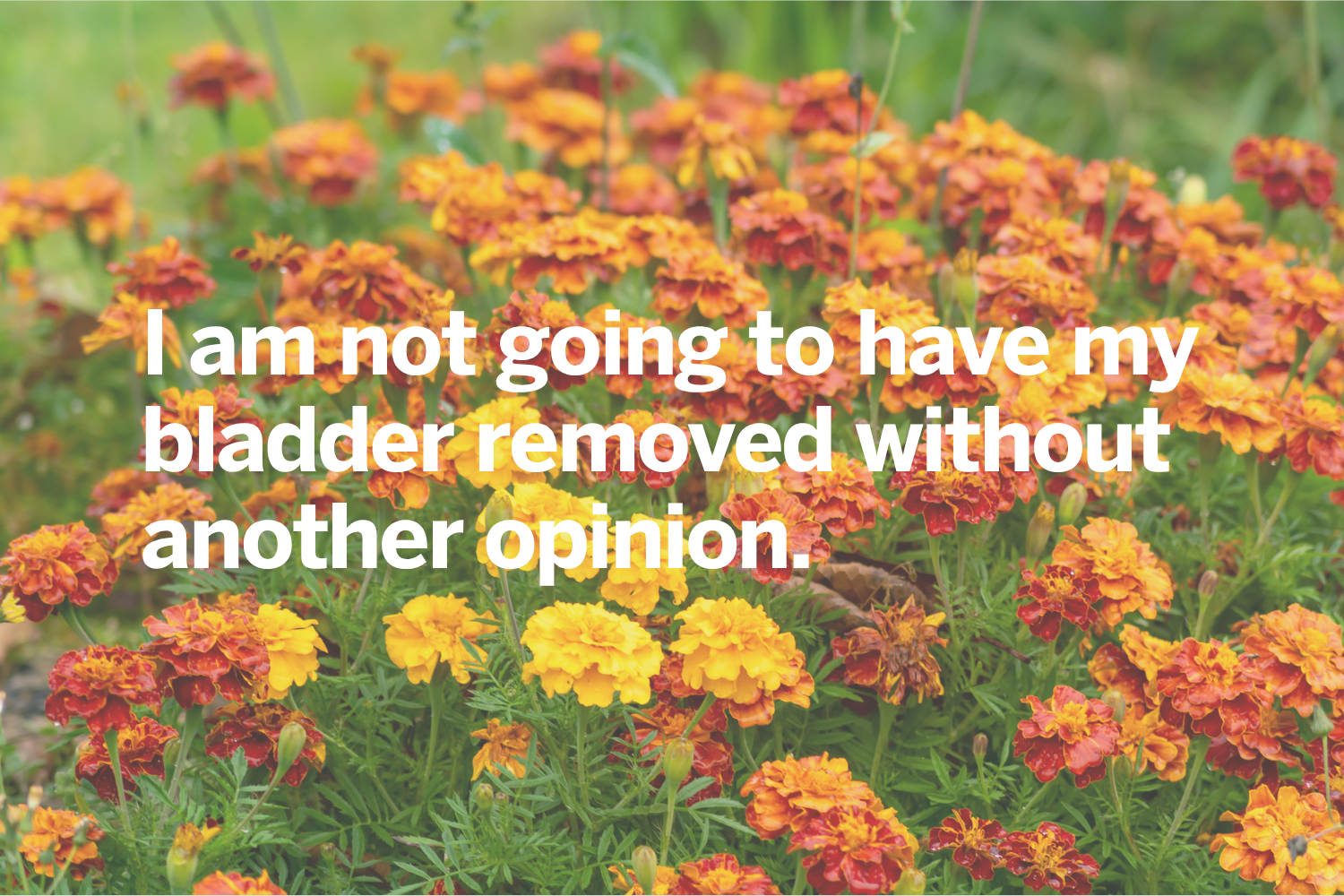
That instinct — to push back, to ask again, to find another door — runs through almost every conversation in our bladder cancer community.
"I am NOT mentally ready for this at all, but then I know no one facing a hard cancer journey of any kind is ever ready."
Nobody is ever ready. And yet here they are, making the next decision anyway. The disease itself doesn't sit still. Non-muscle-invasive becomes muscle-invasive. A stable scan turns into progression. A tumor managed successfully for years moves somewhere new. Bladder cancer also has one of the highest recurrence rates of any cancer, with up to 80% of non-muscle-invasive cases returning after initial treatment.1 The community knows this through their own experiences.
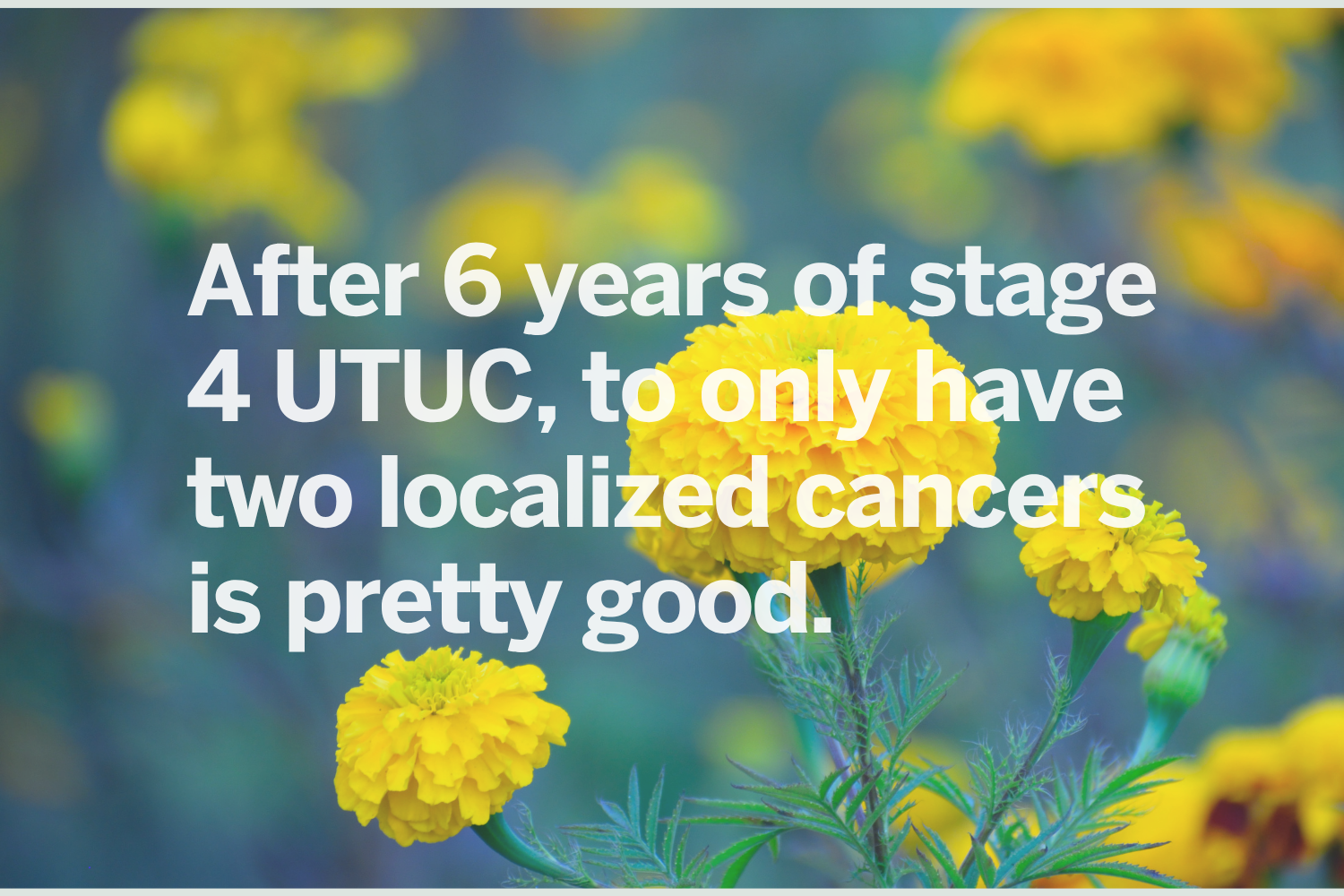
"I had a bladder tumor removed 44 years ago. It was papillary and small with one reoccurrence after 17 years. I've had cystoscopies for many years at varying intervals to check for reoccurrence."
"...got bladder cancer with recurrences every 3 months… Each time the biopsy result was low grade and non-invasive. Because we couldn't stop it, my doctor suggested removing bladder…."
The treatments for bladder cancer are getting better — and this community is paying close attention. Padcev and Keytruda together are producing responses in advanced disease that earlier chemotherapy could not match.2
But the treatments arrive alongside obstacles that have nothing to do with medicine.
"Medicare Advantage roulette, a very alarming game."
Or the fact that Bacillus Calmette-Guérin (BCG) — the standard first-line treatment for non-muscle-invasive bladder cancer — has been in a chronic shortage in the United States for several years.3 Patients who should be receiving BCG are not, either because it simply is not available or, as some report, their insurance plans won’t approve access to out-of-network cancer centers that are most equipped to help.
Meanwhile, life continues in all its complexity. Someone asks about hair loss and attaches a photo. Someone shares a home remedy for mouth ulcers that actually works. Someone else has been managing bladder cancer alongside a new pacemaker and emphysema. Someone comments —
"Managing side effects means staying alive longer."
And then, a new conversation thread of its own:
"My sister passed away on June 2nd, one and a half years after being diagnosed with bladder cancer. By the time they found the cancer, it was already too advanced. I lost my husband two years ago from esophageal cancer. It has been a tough few years."
The community responds. It always does. Having caring, understanding people is a big help to all of us. Fortunately, we know where to find them.
References
1Recurrence of High-Risk Bladder Cancer: A Population--Based Analysis: https://pmc.ncbi.nlm.nih.gov/articles/PMC3773281
2Padcev and Keytruda Double Bladder Cancer Survival: https://www.cancer.gov/news-events/cancer-currents-blog/2023/bladder-cancer-padcev-keytruda-doubles-survival
3Interruption of BCG Therapy for NMIBC During COVID-19 Crisis, Dilemma in Its Continuation: a Review of Available Evidence and Suggested Management Strategies: https://pmc.ncbi.nlm.nih.gov/articles/PMC10068698/
We are here if you or someone you love is navigating bladder cancer at any stage.