
After ASH 2025: What Our Community Wants To Know
Every year, ASH produces a wave of new findings in blood cancer research. Most of it is written for clinicians. Patients are left to either wade through abstracts or wait for information to trickle down through their care team — often without enough context to know what questions to ask.
After ASH 2025, Smart Patients translated six studies into plain-language summaries and opened them up for community discussion. The conversations that followed were instructive.
What came up, and what it tells us
People affected by relapsed or refractory multiple myeloma engaged most actively, particularly around combination immunotherapy — treatments that target the disease through more than one mechanism simultaneously. The interest wasn't just in whether these approaches work better, but in what they demand from patients: infection risk, monitoring schedules, quality of life during treatment. Efficacy and tolerability rarely get separated in these conversations.
Across discussions, participants consistently asked for more than data. They wanted someone to explain what the results actually mean in practice — and space to think it through alongside others navigating similar decisions.
“It helps when someone who really understands the research can explain what matters and what doesn’t. Otherwise it’s hard to know how much weight to give a study.”
The six summaries from ASH 2025
These are meant as a starting point — a way in to research that often feels out of reach. If something here raises questions about your own treatment, that's a good conversation to have with your care team.
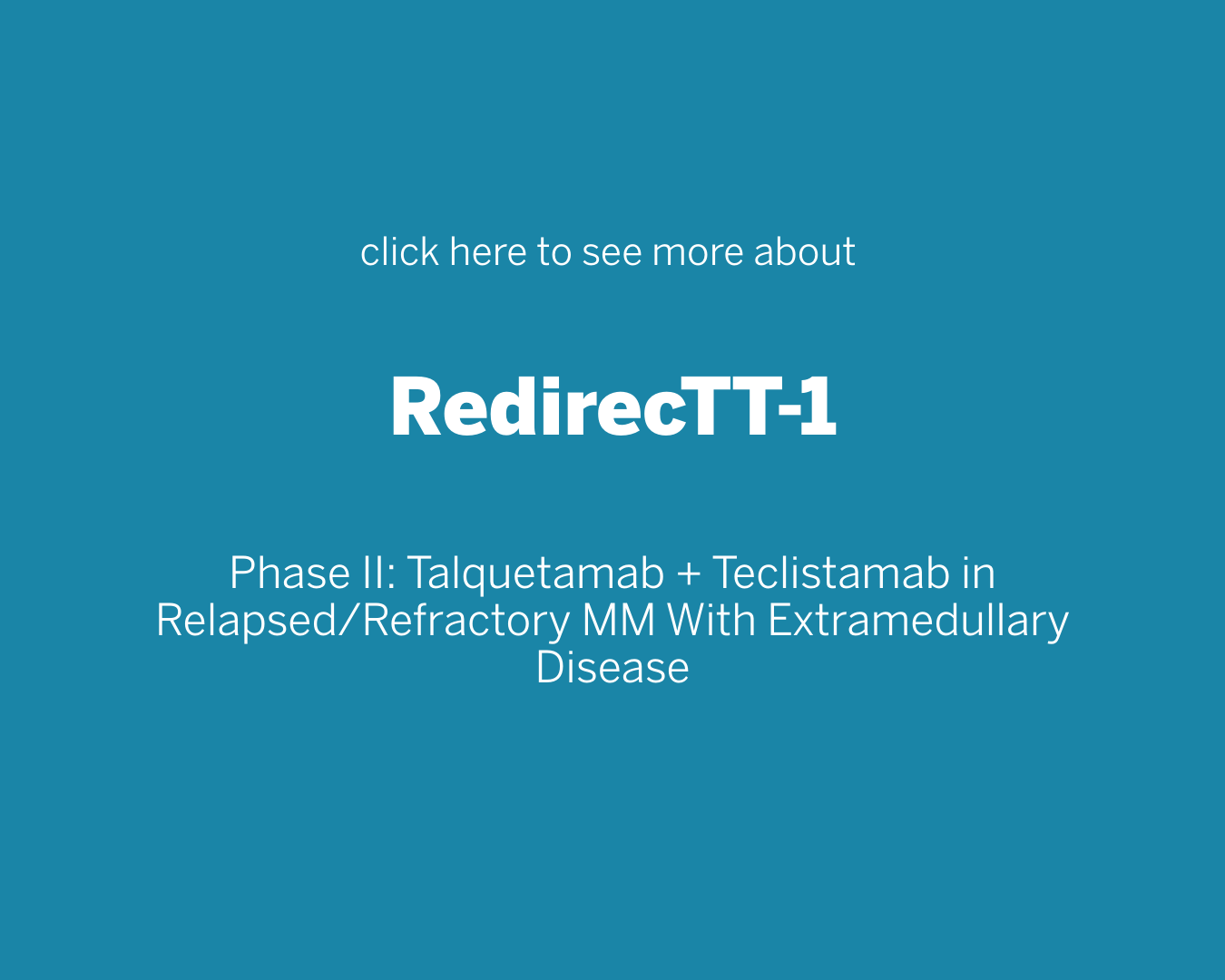
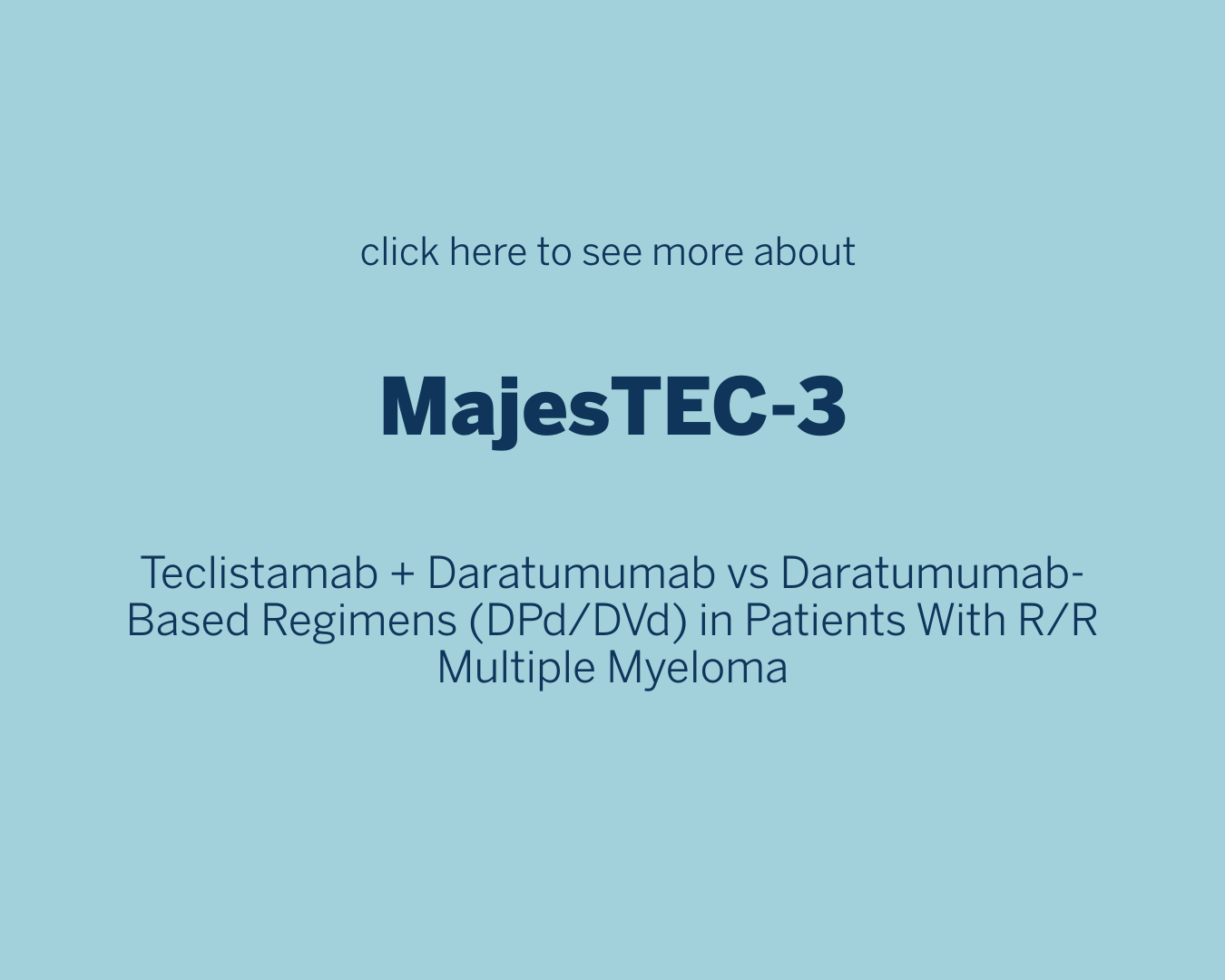
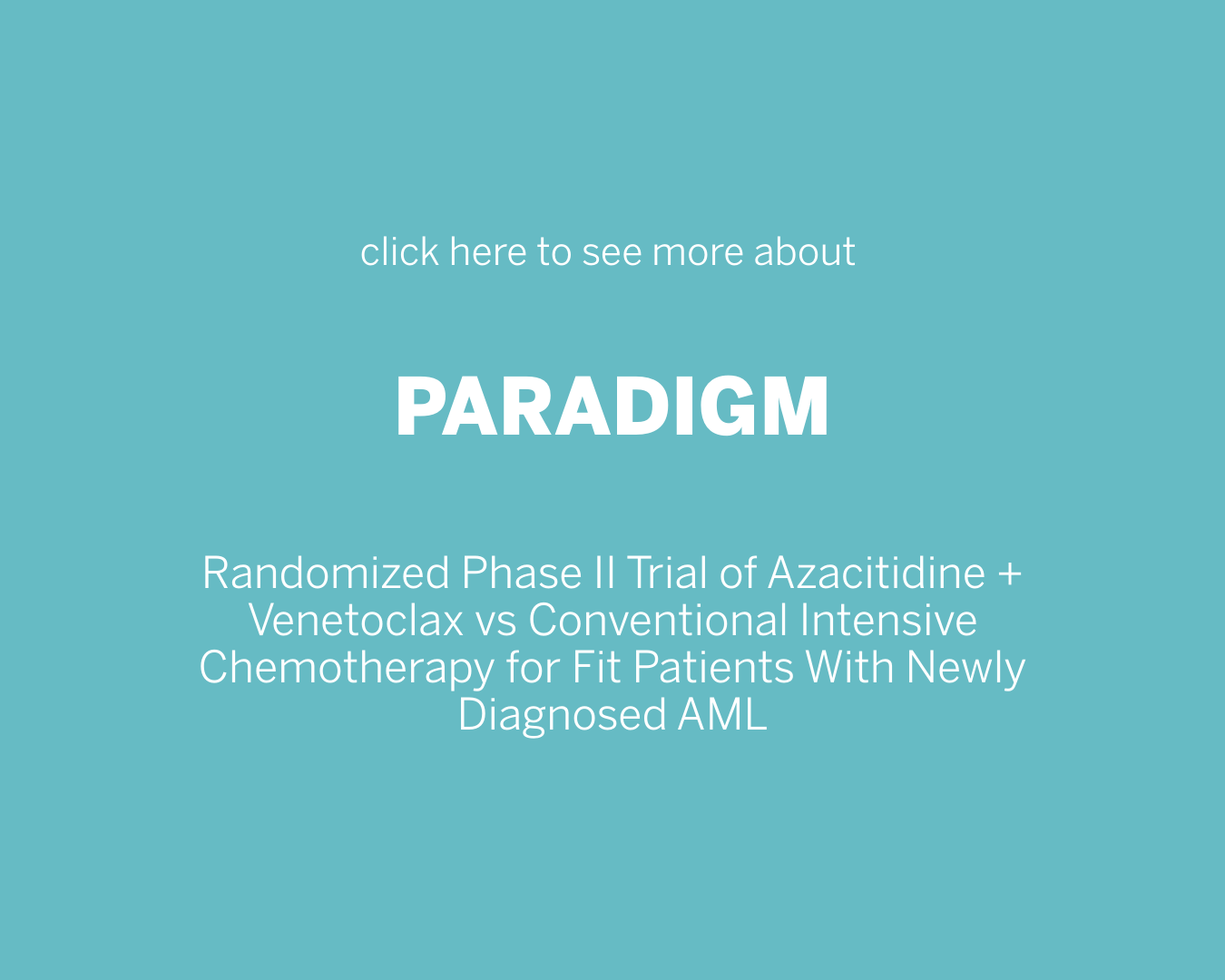
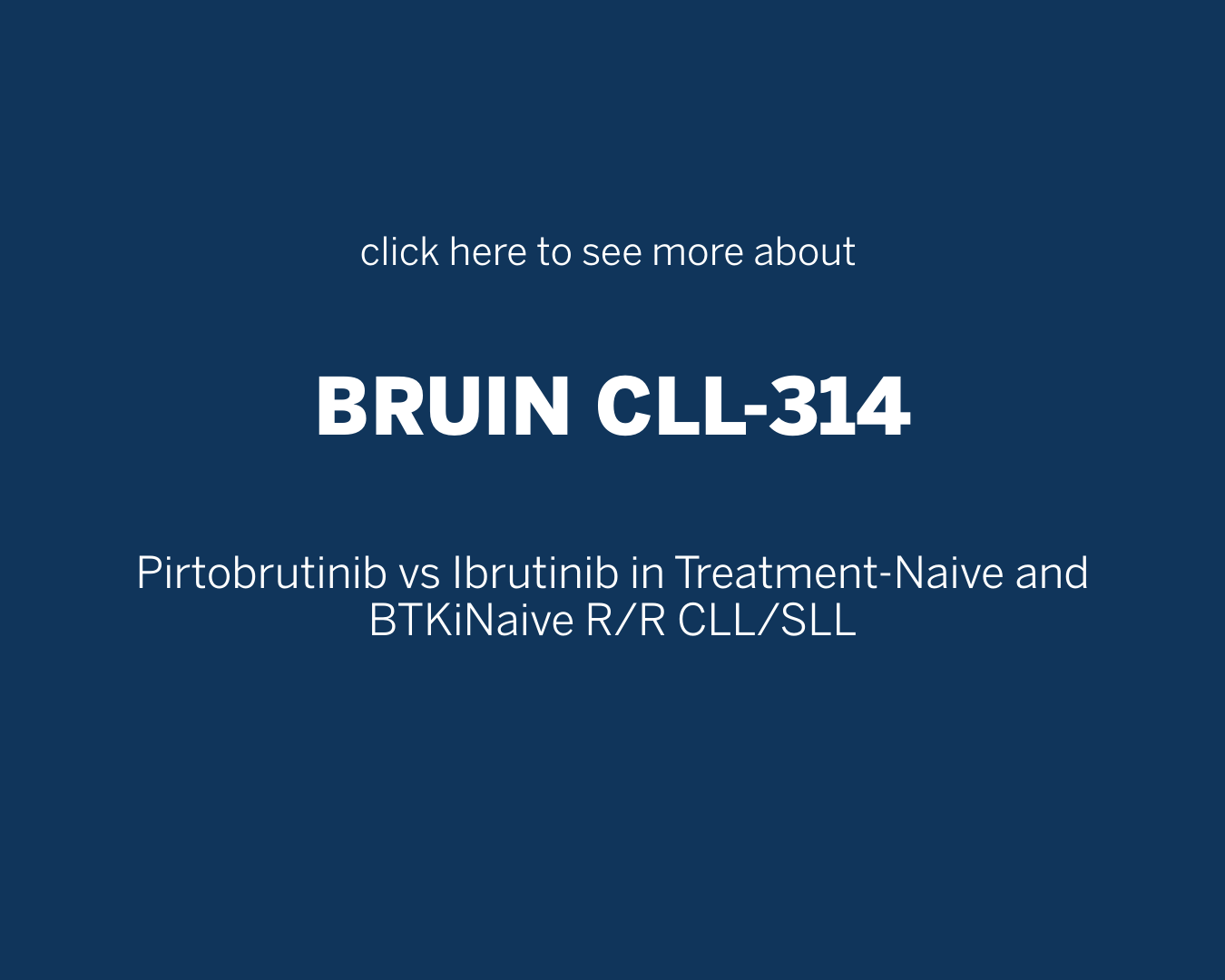
Research is easier to navigate when you don't have to do it alone. The Smart Patients International Myeloma Foundation Community brings together patients and caregivers to discuss findings like these — and what they might mean for real treatment decisions.
Developed in collaboration with Decera Clinical Education, supported by educational grant funding from AstraZeneca, BeOne Medicines, Genentech, Geron Corporation, Incyte, Johnson & Johnson, Lilly, and Novartis Pharmaceuticals Corporation.